

It wasn't until after Catherine Fray was elected to the Carrboro town council in 2023 that they learned that they achieved becoming the first openly nonbinary person to be elected to public office in the state of North Carolina.
"It's not why I ran," said Fray, who like the others featured in this story, uses they/them pronouns. "There still now aren't a lot of public examples of people being nonbinary in different ways. I'm thinking about when I was growing up in Rockingham County and didn't have language for any of the stuff I was thinking about … if I can provide a good example or mentorship to someone, be a source of helpful representation, then I'm thrilled."
Fray is among a growing group of people across the country who openly identify as nonbinary or gender expansive at a time when the number of anti-LGBTQ that are being introduced or passed in state legislatures are increasing. One such law that went into effect this year is North Carolina's House Bill 805, which recognizes only two genders, male and female, based on the biological sex assigned at birth. While the full impact of that law remains to be seen, advocacy groups say it erases the presence of nonbinary, trans and intersex individuals, and warn that it could have dangerous implications for the queer community.
As these changes are happening at the state and federal level, WUNC's Eli Chen spoke to four nonbinary individuals across the Triangle who, in their own way, are actively creating safe spaces for queer folks. Click their names below to unfurl their stories.
A "land use nerd" becomes the state's first nonbinary elected official
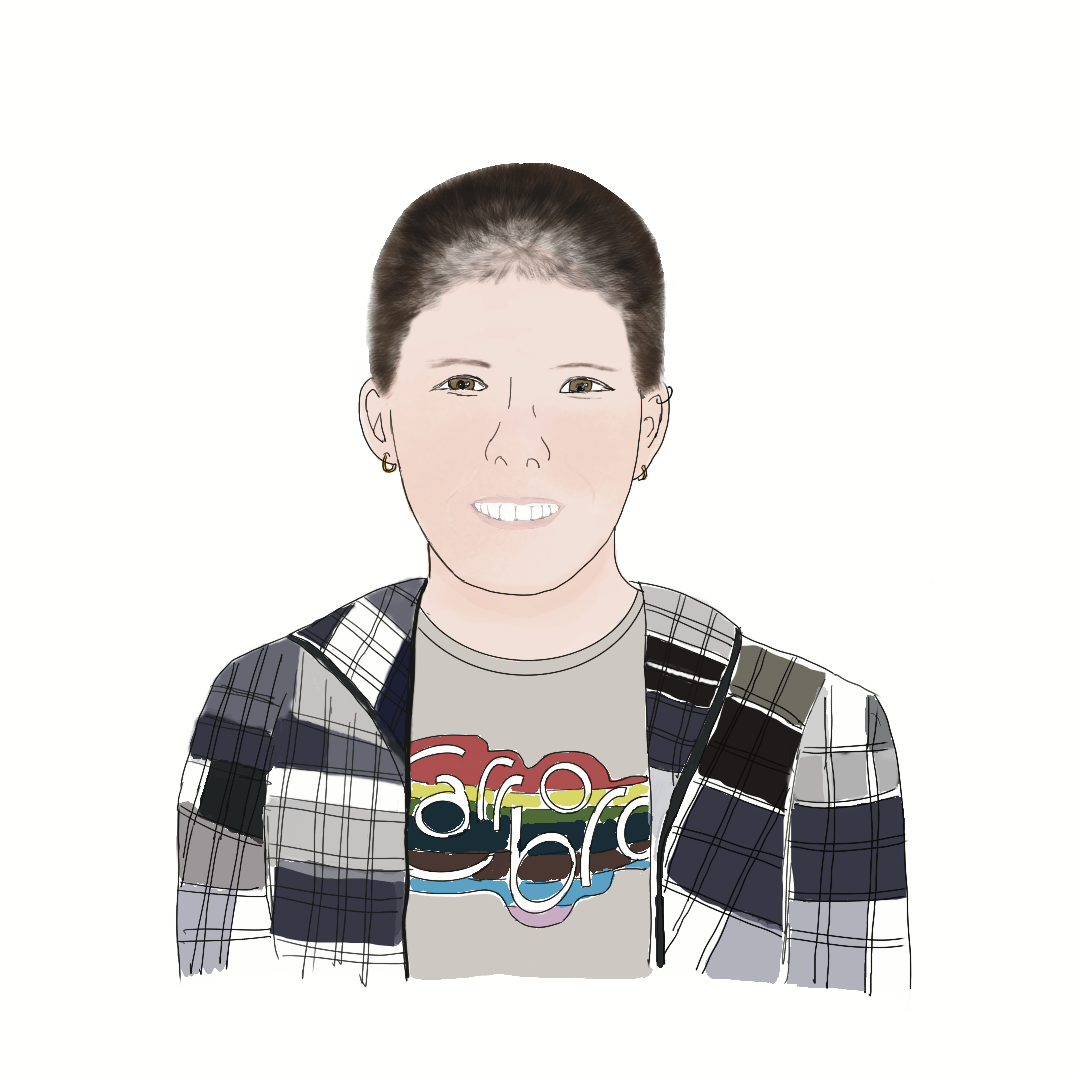
Catherine Fray, 39, was raised in Rockingham County, which they said was a tough place to be queer.
"Once it started to be clear, not just that I was queer, but that I was a nerd and that was not going to go over well and I was getting picked on in school," they said. "So I spent a lot of time as a transfer student out to Greensboro."
But after Fray moved to the Chapel Hill-Carrboro area to attend UNC-Chapel Hill, their life improved so much that they continued to live there well after college and have been living at the same address since 2010. Carrboro has a long history of being a LGBTQ-friendly town, having elected three queer mayors since the 1990s.
Before being elected to the town council, Fray had served on the town's planning board for more than a decade. In 2012, a neighbor introduced them to town government officials, and then Fray quickly got involved as a member of the board. But after several years of service, they wanted to see more change to address the high demand for affordable housing and decided to run for a town council seat.
"I got into (politics) because I'm a huge land use nerd. I ran (for town council) so I could overhaul our land use ordinance," Fray said. "Carrboro has this reputation of being a place where artists, students and queer folks (live), and of being diverse. And I started to realize that was increasingly not the case because the price of housing was going up so fast that people were being priced out."
Fray elaborated that even though there is tremendous interest in increasing affordable housing in Carrboro, the town's land use ordinance poses the largest obstacle to doing so. The current land use ordinance, they said, makes it much easier to build large, single family homes than duplexes or multifamily homes. Currently, they are working with other Carrboro officials to rewrite the land use ordinance.
While the town has been a welcoming and accepting place for them to live, Fray said that during their campaign, they encountered some uncomfortable interactions regarding their nonbinary identity.
"There was an incident where someone wanted to endorse me for a seat because they said they were going to endorse all the women," they said. "It was a little awkward, but I was like, hey, you need to take me off of that list because you're putting me in a category I'm not a member of."
"I think this is something that a lot of nonbinary folks run into," Fray added. "It's like you don't necessarily get the same venom that binary trans people sometimes encounter. You get people cheerfully ignoring the fact that you exist as a nonbinary person."
When asked about the state's new gender identity law, Fray expressed disgust. They said it hasn't had any direct impacts to their life yet, but they are deeply frustrated with the legislation. Fray emphasized a section of the law that requires the State Registrar to attach amended birth certificates to the original birth certificate for individuals who have transitioned.
"I think about this as being in the long tradition of cruel and controlling laws in North Carolina, that go all the way back to our foundational laws about marriage, about family, the rights of children in North carolina," they said. "It's a painful setback, but I'm confident that it's not a permanent one."
"Binary trans people and nonbinary people are not going anywhere as a result of this law," Fray added. "You can frustrate us, you can discriminate against us, but we're still going to be here and we'll be pushing back."
A drag performer, inspired by pirates, challenges convention to create more inclusive spaces
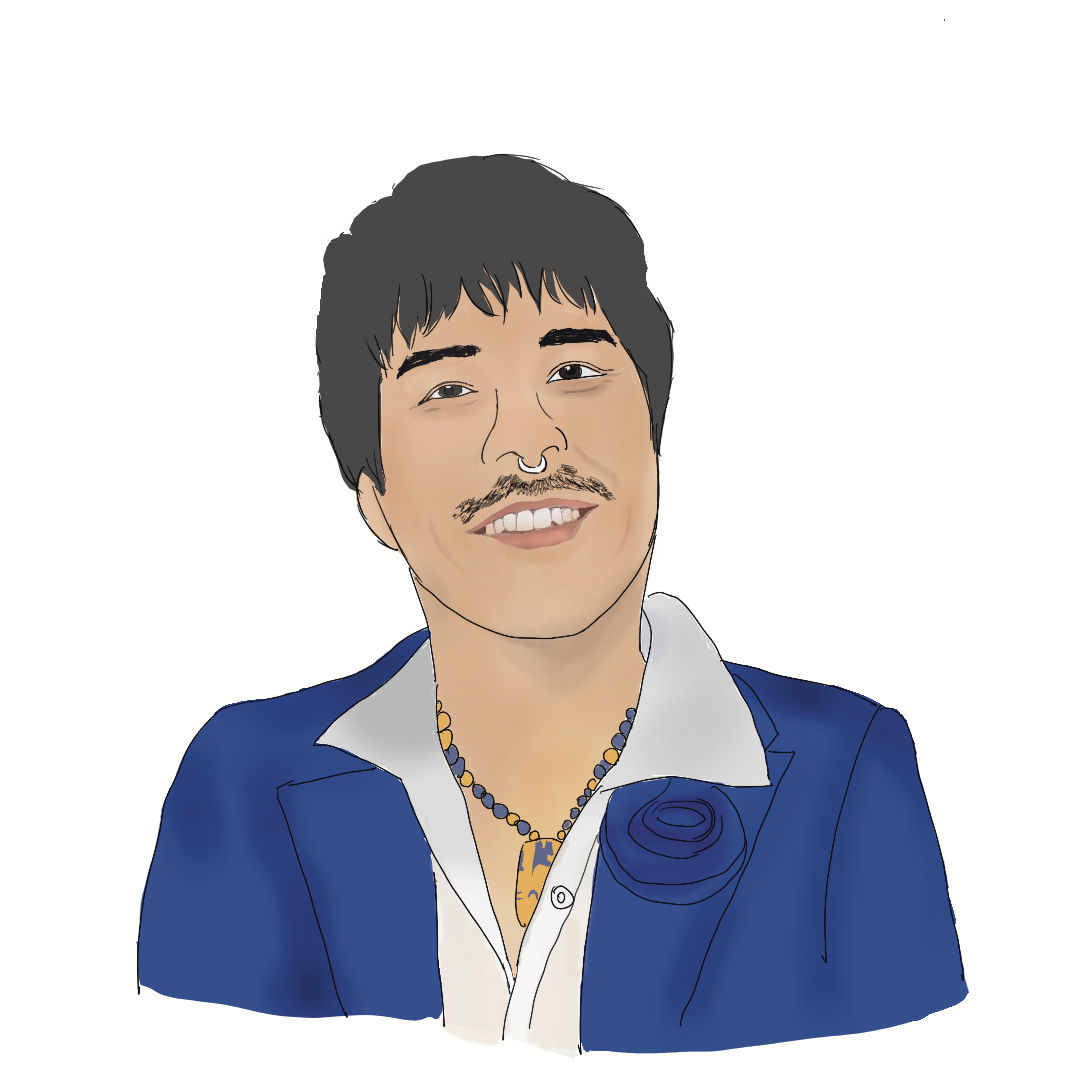
About 10 years ago, X Meza decided to put on a skirt before taking a walk around downtown Raleigh.
"I felt not in my element, kind of scared, but I felt some sort of gender euphoria looking at myself with a skirt on in the mirror," they said. "So I walked the streets and people were definitely looking."
For Meza, this was just the beginning – now, they're a well-known DJ and drag performer at queer venues across the Triangle. They perform primarily as drag queen Tesoro – Spanish for treasure – and drag king Pirata, which are two pirate-inspired personas.
"I've always gotten into the pirate fantasy of it all," they said. "So it's glamor and it's fashion and it's very Latine. My references are like Juan Gabriel, who is a Mexican artist who was never out, but was always respected."
And Meza continued to walk around in outfits that aligned with their gender expression.
"There were definitely moments where after the drag show, I'd be walking the streets home and there would be (people in) cars screaming things out the window," Meza said. "There were definitely comments, pictures being taken, phones in your face."
But having a strong support system has allowed Meza to keep pushing the boundary when it comes to their drag performances. "I started caring less and less because I was surrounding myself with people who were loving me unconditionally," they said.
When they initially entered the drag performance scene eight years ago, Meza said that many local venues tended to cater more to white, cisgender men. But they noted that at the same time, there were efforts made to make room for BIPOC performers and more experimental drag acts – particularly at the Pinhook with its drag family, House of Coxx, and the now closed Ruby Deluxe.
"Ruby Deluxe was one of the first spaces where I felt like there was more intersectionality," Meza said. "I found myself surrounded by other expressions of drag that I thought were really eye opening. I saw my first drag king there and that really inspired me to get into it, which is a full other side of the spectrum. I'm tapping into a masculinity that I've always repressed."
Since President Donald Trump's return to the White House and increasing hostility towards LGBTQ communities, Meza has felt that venues are playing it safe and booking fewer experimental performers, and that has affected their ability to find gigs.
"It's been a bit of a discussion among creatives in the Durham area, how we just feel like, you know, we're just going to keep doing what we are doing," they said.
Outside of drag, Meza says expressing their gender identity, particularly in professional spaces and within Latino communities can be challenging. They recently started using the name X and find difficulty in asking others to use they/them pronouns and nonbinary terms, especially with older folks who feel such terms are grammatically incorrect. Meza noted that there is some controversy over how to refer to someone as nonbinary in Spanish – for a while, Latinx was used, but lately, Latine has become more favored.
Meza also wanted to look into changing their gender marker on identification documents, but that will essentially not be possible under the new gender identity law.
"The law itself just adds to the current political mood. It's like they're attacking all of us," Meza said. "Trans folks are their number one and then (nonbinary folks) are there too, just because we're also trying to be who we are."
"I feel like I've been more conflict forward and I think that's just because I've been standing up for myself more often in different spaces," they added. "Especially with the country's current mood, it feels like I have to push back."
A martial arts coach who empowers queer folks to use movement as a form of self-expression
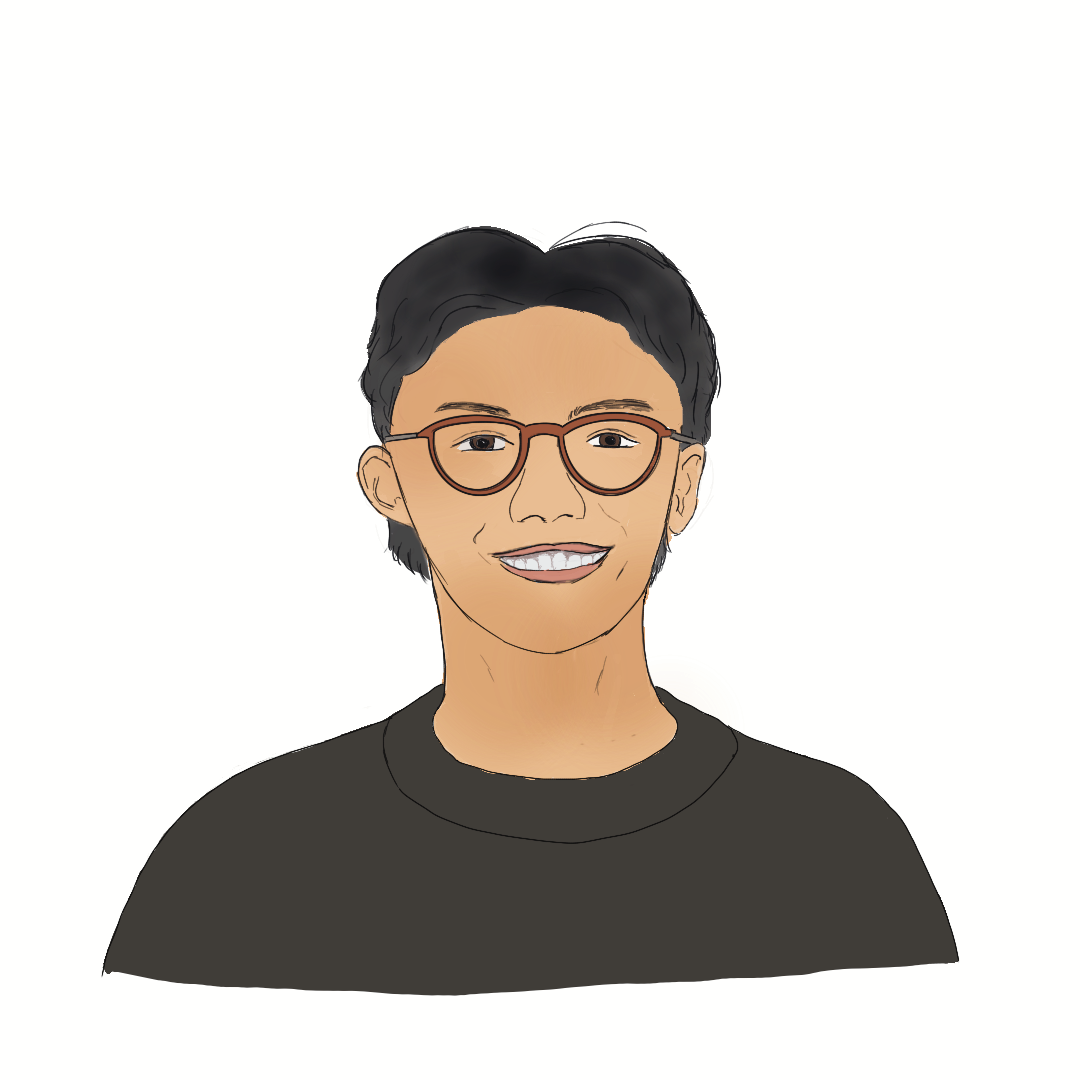
Alija Montes remembers that when they were a kid, they wanted to grow up to become a ninja. They were inspired by stunning combat they saw in TV shows and films like Naruto, Samurai Jack and Crouching Tiger, Hidden Dragon.
"I knew that I wanted to be kicking and punching and doing very cool martial arts things," they said.
For the past year, Montes, 26, has built that dream in Durham with their martial arts coaching business, Play Fight Move. The California native who previously worked at nonprofits and leadership development was attracted to Durham's progressive community, and saw the city as the ideal place to create a space where they and other queer people could thrive.
"I think Durham has this grittiness, this DIY-ness, this sense of autonomy and power that makes everything feel available," they said. "Everything feels in abundance."
Montes knew that they were queer and trans since they were 14 years old. And they said that their martial arts training had helped them access these parts of their identity.
"There is a part of martial arts that is being so in touch with your body, not only in presence but also in the active building of power and strength where at the end of the day, it's self-expression," they said. "Any and all forms of movement are self-expression. And so in the same way where being trans is the ability to take control and create a new kind of self-expression that doesn't look like anybody else's, the same is true with martial arts. You get to create a style of punching, kicking, sparring wrestling that is unlike anyone else's in the world."
"I've made different decisions about the way I dress or the way I hold myself or my name even because of discoveries I've made being able to be in my body doing martial arts," they said.
Through the class they teach, Montes wants to offer that gift to more people, especially queer and trans individuals.
"There are plenty of people I train who, because they're more in touch with their bodies, they feel more readily available to go organize, volunteer, to be a part of a movement," Montes said. "I'm seeing that happen in real time as their connection to their body also grows and ultimately, that's what I feel like the mission of Play Fight Move is: to get people more connected to themselves so that we can be more connected to each other, so we can be more organized in our movement for our collective liberation."
An organizer making music summer camp a safe space for youth to explore new identities
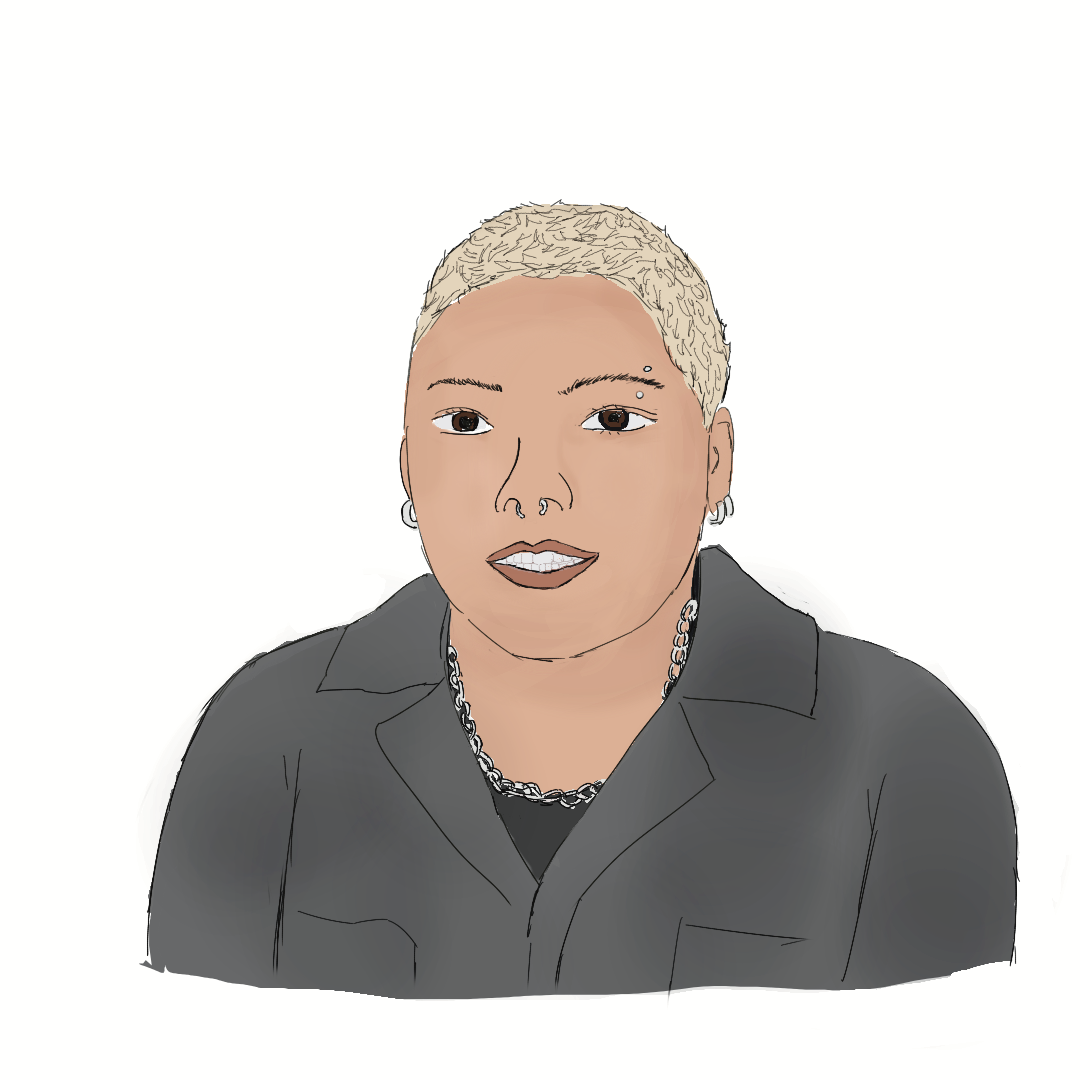
Sunshine Adam, 28, grew up in Brazil and recalled not having very many queer role models when they were young.
"I didn't know anything about queerness growing up," they said. "Nonbinary was definitely not a word in my vocabulary. When I lived in Brazil, specifically in my environment, it was not queer friendly. It was very cis-het, very white."
But now, they serve as a board co-chair of Youth Rock NC, formerly known as Girls Rock NC, which is a volunteer-run nonprofit that organizes a summer music camp for girls, transgender and gender expansive youth.
"I think being in a space where youth can actually express themselves and discover themselves in our space is really beautiful," they said. "We always say music is our vehicle. We have youth who will make music that is really political and about being queer. And sometimes you'll have a band that will make songs about their dog. It doesn't matter. Each person is bringing their own identity and their own life experience, so to watch them get together and create music is really sweet."
Adam moved to Durham in 2021, after attending college and living in Gainesville, Florida. While they felt that Gainesville was very queer friendly, they still felt like a minority there, so they moved to Durham, where there is a larger and more active community of Black queer people. At that time, their partner was fairly involved with Youth Rock NC, and Adam began volunteering there too.
"It's really healing to be in community with queer and trans youth because I get to see a brighter future," they said. "I get to see these really young people who have more language to express their gender than I did."
Regarding the new gender identity law, Adam said that the legislation hasn't yet had any concrete impacts to their life, but it was a "reality check," noting that they live in a fairly progressive bubble. And they said it made them concerned about the kids who attend their camps.
"I don't want them to see that and be scared and think they can't do things," they said. "At Youth Rock NC, we just believe youth. We believe their experiences. We believe what they're telling us. A lot of the youth will try out a new pronoun or a new name just during camp because they feel safe to do so in that space."
"And that applies to adults as well," Adam added. "I feel like a lot of nonbinary people have gone through the awkward, am I nonbinary enough to use they/them pronouns? We try to combat that a lot. You are allowed to try something new, even if you're not sure about it."
