-
 Two years after Hurricane Helene devastated communities in western North Carolina, the state is still navigating the long process of recovery, while also preparing for the next disaster. We speak with N.C. Department of Environmental Quality Secretary Reid Wilson to discuss North Carolina’s environmental priorities and how it is preparing for the challenges ahead.
 -
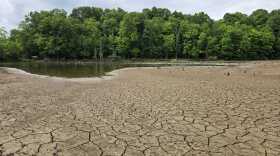 Summers in Charlotte continue to trend warmer, dry spells are lasting longer, and communities are already grappling with dramatic changes in climate trends. We look back at how the region dealt with another summer of climate impacts.
 -
 A lack of rainfall and snowmelt from North Carolina's ongoing drought is causing freshwater like the Chowan River to have high salt levels.
 -
 Charlotte now experiences nearly a month of additional dangerous heat days compared to 50 years ago. By the 2060s, state officials expect nearly 40 more days each year when the heat index exceeds 95 degrees. Extreme heat is now considered the top climate-related threat for residents. We explore how that heat is changing daily life for Charlotteans.
 -
 Charlotte Water restrictions help reduce usage as the drought continues, even after recent rainfall.
 -
Charlotte Water will implement mandatory water restrictions beginning Friday, May 15, 2026, due to ongoing dry conditions. The measures align with regional partners under the Low Inflow Protocol’s Stage 2.
-
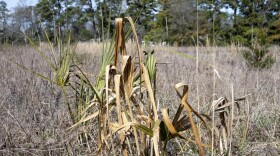 Drought is worsening in North Carolina and municipalities across the Charlotte region are asking residents to voluntarily conserve water. As the region grapples with the worst drought since 2008, the state’s agricultural economy is also under stress. We’ll discuss why this drought has progressed the way it has, how it's affecting the region and we look at how an already fractured farming industry is dealing with the conditions.
 -
 Drought conditions are worsening across North Carolina, with nearly the entire western third of the state now classified as being in extreme drought. That includes most of the Charlotte region. The rest of the state is considered to be in either severe or extreme drought.
 -
 Chapel Hill recorded just half an inch of rain in June, damaging or destroying some crops and threatening others.
 -
 Heavy rains this week have eased drought conditions across much of North Carolina, according to data released Thursday.

© 2026 WFAE
Mailing Address:
WFAE 90.7
P.O. Box 896890
Charlotte, NC 28289-6890
Tax ID: 56-1803808
Mailing Address:
WFAE 90.7
P.O. Box 896890
Charlotte, NC 28289-6890
Tax ID: 56-1803808
90.7 Charlotte 93.7 Southern Pines
90.3 Hickory 106.1 Laurinburg
Play Live Radio
Next Up:
0:00
0:00
Available On Air Stations


