

Mecklenburg County sent the second-highest number of young people into North Carolina’s detention system last year — yet it has no juvenile detention center.
In 2025, 2,186 people were admitted to juvenile detention centers statewide, according to data provided to NC Health News by the state Division of Juvenile Justice and Delinquency Prevention. Nearly one in eight — 243 — came from Mecklenburg County. Only Guilford County sent more young people — 247 — into detention last year; it operates its own detention center.
Mecklenburg has been without a juvenile detention center since 2022, when Sheriff Garry McFadden closed what was known as Jail North, citing staffing shortages tied to operations at the adult jail. At the time, it was the state’s largest juvenile detention center, with a capacity for up to 72 juveniles. The building is now used for administrative offices and training, but no one is housed there.
When it closed, Mecklenburg’s juveniles were sent to detention centers across North Carolina — farther from their families, attorneys and community-based support.
The change drew swift criticism from advocates and criminal justice stakeholders. For the past three years, proponents of reopening have pressed for the facility to reopen, arguing that local detention improves outcomes for youth.
Frank Crawford, advocacy director at The Children’s Alliance — a network of about 40 public and private organizations that all work with kids and families in Mecklenburg County — is outspoken about the need to reopen the detention center.
“We think it’s really important that those [justice-involved] kids are housed locally and that they’re housed where we can have access to them to do proper case planning and preparing for court, and also to make sure that they’re getting the right kinds of services,” he said.
But McFadden and other local leaders say resuming operations isn’t as simple as it may seem; a main factor that contributed to the closure remains: staffing challenges.
The impasse over Mecklenburg’s juvenile detention center comes as North Carolina’s juvenile detention system gets more crowded — with more teenagers than available beds on some days.
“We are definitely putting more kids in detention than we have over the last few years,” William Lassiter, deputy secretary at the N.C. Department of Public Safety who oversees the state’s juvenile justice system, told the Joint Legislative Oversight Committee on Justice and Public Safety last month.
Once a ‘vibrant, very productive’ facility
The issue came to the forefront again on Jan. 6, when community members, advocates and local and state officials gathered in Charlotte for a public forum on the closure and what it would take to reopen the facility. While speakers broadly agreed on the value of a local detention option, officials offered no clear path forward.
The biggest barrier, McFadden said, is staffing. He said reopening would take 96 detention officers, plus staffing for health care, food service and other support.
“Where are we going to get the resources?” McFadden asked at the forum. He said he’s still struggling to fill dozens of vacant jobs at the county’s adult jail, which has seen a surge in detainee population in recent months.
“Where are we going to get the funding? But the main part that we have to understand is this: How are we going to hire 96 people? Where are we going to get 96 people from?”
Before it closed, the Mecklenburg juvenile detention center was largely viewed as a model for what juvenile detention could be.
“I wanted to keep it open,” McFadden said. “I wish it was open today.”
He described the former center as a “vibrant, very productive” place, with a library, barbershop, classrooms and other programming space. Charlotte-Mecklenburg Schools operated classrooms inside the detention center, which let local teenagers continue their education without switching districts. The goal, McFadden said, was rehabilitation — not simply confinement.
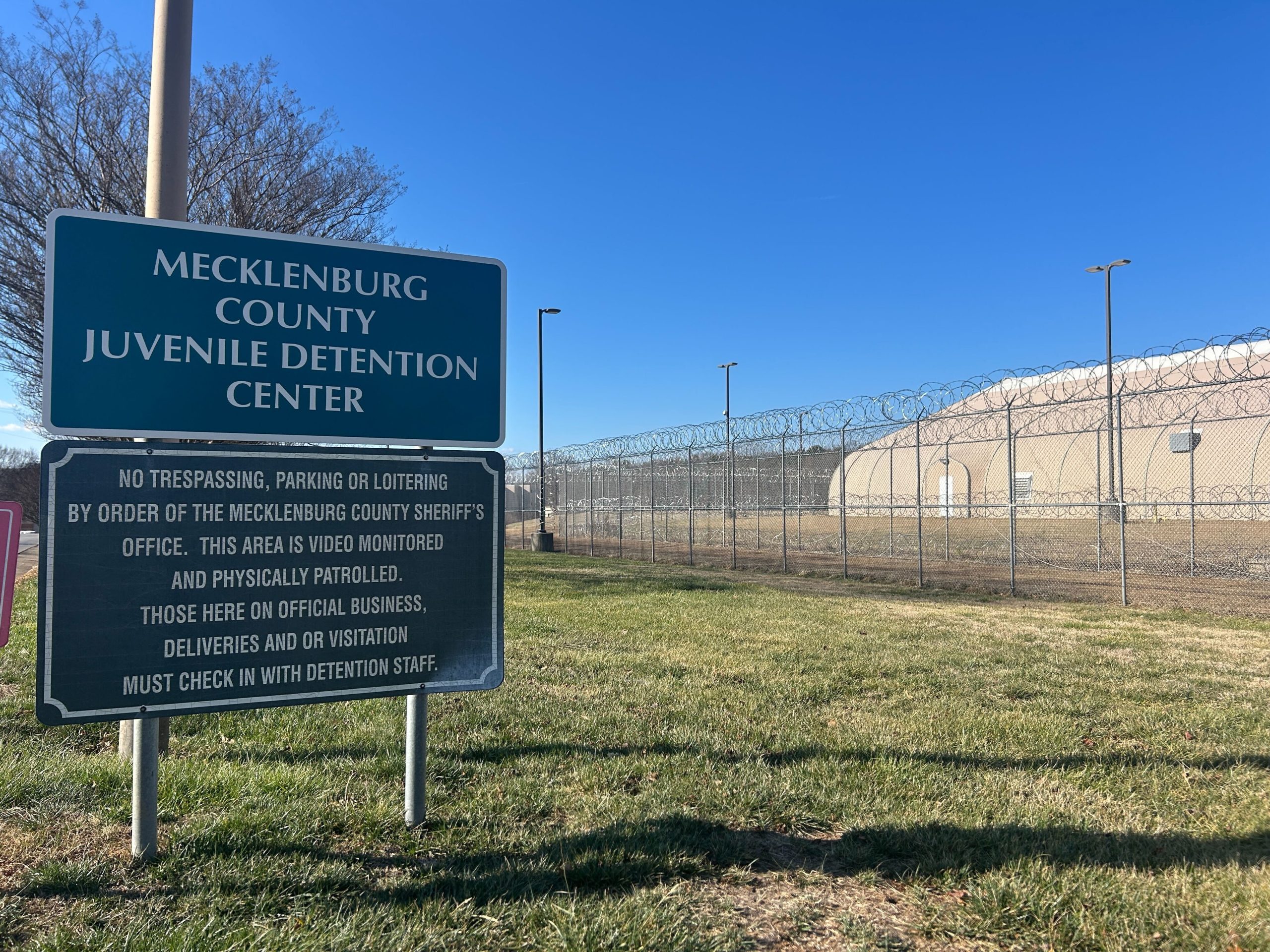
“We had an excellent facility, and my understanding was it was a national model,” said Mecklenburg County Commissioner Susan Rodriguez-McDowell, who attended the forum and supports reopening the juvenile detention center. “That was largely because of Sheriff McFadden and his focus on rehabilitation and mental health, and that is what the proper focus should be in a juvenile detention center.”
Lassiter echoed that sentiment.
“We loved all the different services that he provided at that facility, and the kids did really well,” Lassiter said. “We saw improved recidivism rates of those kids that were at that facility.”
Proximity, he said, is key.
“The research is very clear that a kid served in a local facility that’s run at the local level — those kids do better,” Lassiter said. “They get in trouble less again than those kids that get sent to facilities throughout the state. Why is that? Because they have local support.”
Since Jail North shuttered, advocates say that support is harder to reach. Family visits may happen less often. Attorneys spend more time traveling than meeting with children. Community-based organizations lose regular access to local youth.
“Children being detained away from Mecklenburg County affects their mental health,” said JoLisa Rouse, a Charlotte resident who works with justice-involved youth. She said many juveniles are already dealing with trauma, and being housed farther from home can make it worse.
Most of Mecklenburg’s juveniles are now sent to a detention center in Cabarrus County — a facility that is overcrowded and facing a 40 percent staff vacancy rate, according to Lassiter.
That facility in Concord was also at the center of a federal lawsuit filed in January 2024 on behalf of three teenagers held there for months. It alleged they were routinely locked in their rooms for as much as 23 to 24 hours a day. State officials denied the claims of a practice of regular solitary confinement for young people, but they acknowledged strains in the juvenile justice system, including staff shortages that have affected how much time juveniles spend outside their rooms.
“At a really critical point in their growth, they have to be shipped away, and they don’t have access to those people that are central in their lives,” Rodriguez-McDowell said. “That is a huge loss, not only for them, but for our community. These folks will come back to our community, and the question is, are they going to come back better, or are they going to come back more damaged?”
A strained statewide system
North Carolina has 12 juvenile detention centers — nine state-run and three county-operated with state oversight and support — totaling 445 beds. Because of staffing shortages, only 401 beds are operational, Lassiter told lawmakers in December.
As the number of young people sent to detention centers rises, some days there are not enough beds, he said.
“Each day, we’re having between 15 and 20 kids that are sleeping on the day room floor instead of in a room because we don’t have the capacity to serve those young people in the facilities,” Lassiter told lawmakers.
In addition to more juvenile placements in detention centers, the average length of stay has climbed. In 2024, juveniles spent an average of 39 days in detention — more than double the 15-day average stay in 2015, according to Juvenile Justice and Delinquency Prevention data. Young people being tried as adults stay substantially longer at an average of 200 days, compared with 27 days for those in juvenile jurisdiction.
“We need the beds, and we know that our young people are suffering because they don’t have the beds,” Lassiter said.

Lassiter said he’s exploring ways to expand capacity, whether that’s building a new facility, adding onto existing ones or renovating old buildings. But he said reopening Mecklenburg’s center is one of the most logical options.
“It makes complete sense,” Lassiter said. “They have the largest population in the state. The community wants it, and there’s a lot of community support for it, meaning that those volunteers will come in and help these young people be successful. That means a lot.”
He has offered for years to partner with the county, proposing options such as leasing or purchasing the facility or creating a new operating agreement with the county.
Juvenile detention is ultimately a state responsibility, not one that counties are mandated to provide. Still, state law requires counties to pay half the cost of housing their youths, while the state pays the balance. As Mecklenburg has sent more youth to detention in recent years, its bill has increased — from $2 million three years ago to $3 million last year, according to Lassiter.
The dollars going to out-of-county housing costs could instead be used to support a local facility, Lassiter argued.
“If those kids stayed in your county, you would get to keep that $3 million and we would pay you an additional almost $4 to $5 million to house those kids in Mecklenburg County [along with juveniles from other counties]. It’s a net gain of almost $8 million.”
McFadden, however, roughly estimated annual operating costs could reach $15.6 million, with over three-quarters of that in staffing costs.
Other counties operate juvenile detention centers in different ways, Lassiter said. In Brunswick County, the sheriff runs the facility like Mecklenburg previously did. In Guilford and Durham, the county runs their facilities through separate departments. Mecklenburg could consider such an arrangement, Lassiter said, as there is not one model for how it has to be set up.
For Lassiter, the ongoing uncertainty of whether there is a feasible option in the county complicates statewide planning.
“It’s the biggest facility in the state, and it will change where we need additional capacity,” Lassiter said. “We could build one in the Piedmont area if Mecklenburg doesn’t open, but if it does open, then we don’t need another facility in this area.”
Instead, he said, there would be a need for a facility in the eastern part of the state.
“If there’s an option here with Jail North, we’re willing to pump some money into that facility,” Lassiter continued. “But we just need to know what the needs are, as far as capital to do that, and we need to make sure it’s truly a viable option before we do that.”
Crawford, who is helping drive conversations about finding a suitable reopening plan, said the county manager’s staff is exploring what reopening would take and is willing to engage in discussions. That’s progress from the previous county manager, who Crawford said was not interested in exploring the idea.
Michael Bryant, Mecklenburg’s county manager since June 2025, said in an email to NC Health News that he does not have a comment at this time about a path forward for reopening the juvenile detention center.
Is there a path to reopening?
Despite frustration, various stakeholders say they are keeping their energy and attention on finding a feasible solution to reopening what they say is a much-needed facility.
“Everybody wants it,” McFadden said. “Everybody knows that we need it, but how do we get there?”
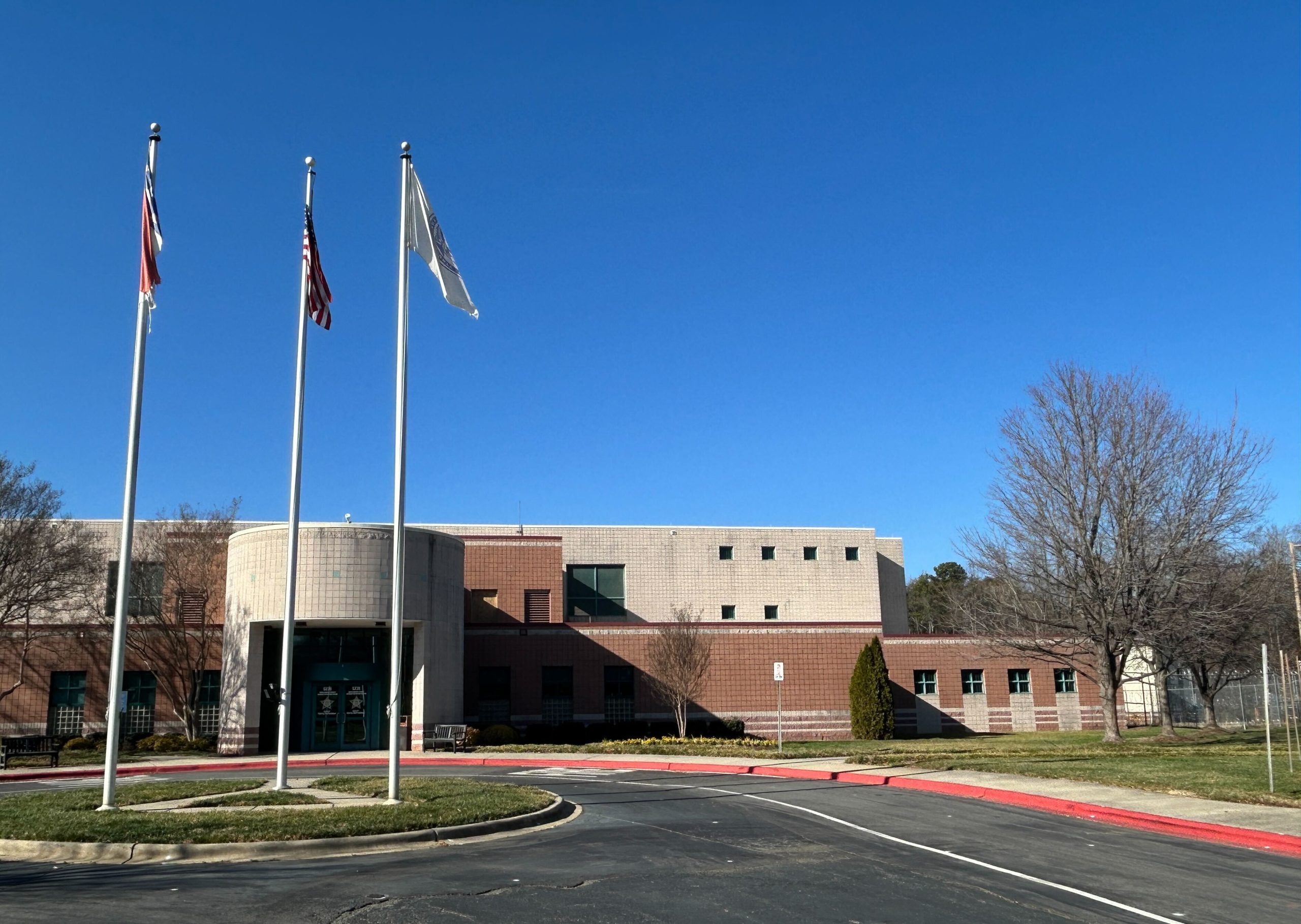
For now, there are no clear answers as to if or when a juvenile detention center will reopen in the county. Factors that contributed to the closure — primarily staffing challenges — remain.
“I didn’t see solutions around how would we fix the obstacles,” Mecklenburg County Commissioner Rodriguez-McDowell said after the forum. “So I didn’t feel encouraged that it’s going to happen anytime soon.”
But advocates and criminal justice stakeholders say they aren’t going to stop pressing.
“Every child in this community deserves our maximum,” District Court Judge Aretha Blake, who handles juvenile cases in Mecklenburg County, said at the forum in support of reopening. “The question tonight is, what is our maximum? What are you guys willing to put on the table?
“I have been having this discussion for the last four years,” she added. “And it is tiring.”
This article first appeared on North Carolina Health News and is republished here under a Creative Commons Attribution-NoDerivatives 4.0 International License.