-
 Piedmont Environmental Alliance, Yadkin Riverkeeper, No Data Center Rural Hall and the Carolina Federation are demanding state lawmakers pass a two-year moratorium on hyperscale data centers.
 -
 Charlotte's data center moratorium is set to expire Nov. 5. Monday night, the City Council heard from the public on a proposal to extend the ban on new data center development by up to 11 months.
 -
 Duke Energy has reached an agreement on a new large load tariff that would help keep rates low for residents and businesses, even as new hyperscale data centers come to the state.
 -
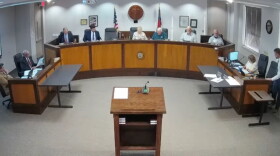 Another proposal for a temporary moratorium on data centers highlighted divisions among Davidson County's Board of Commissioners at Monday's meeting
 -
 A new report and the data center’s developer offer sharply different tax revenue estimates.
 -
 Summers in Charlotte continue to trend warmer, dry spells are lasting longer, and communities are already grappling with dramatic changes in climate trends. We look back at how the region dealt with another summer of climate impacts.
 -
 Thursday night, the city hosted a town hall that brought together city staff, environmental advocates and industry representatives to address local concerns.
 -
 Greensboro’s new data center moratorium could add another layer of uncertainty for the long-delayed Dream Center at Gateway Research Park. City officials say the project still faces several regulatory hurdles before construction could begin.
 -
 Western North Carolina Rep. Chuck Edwards ends his reelection bid after a censure recommendation from the House Ethics Committee. Charlotte City Council holds discussions this week on toll lanes, data centers, e-bikes and more. Plus, the state’s hemp industry can chill. House Republicans vote against holding a vote that would have killed the industry.
 -
 A developer looking to build a controversial hyperscale data center in Stokes County has resubmitted a rezoning application for the project.

© 2026 WFAE
Mailing Address:
WFAE 90.7
P.O. Box 896890
Charlotte, NC 28289-6890
Tax ID: 56-1803808
Mailing Address:
WFAE 90.7
P.O. Box 896890
Charlotte, NC 28289-6890
Tax ID: 56-1803808
90.7 Charlotte 93.7 Southern Pines
90.3 Hickory 106.1 Laurinburg
Play Live Radio
Next Up:
0:00
0:00
Available On Air Stations


