-
 Mahogany Mermaids upend decades of stereotypes by teaching Black adults to swim, but Charlotte’s minority youth swim team is fighting to stay afloat.
 -
 The West End Fresh Seafood Market has been a staple in the West End neighborhood for more than 22 years. But the coronavirus pandemic brought hard times to the restaurant, and almost forced owner Bernetta Powell to close its doors. With help through the city, Powell made it through. WFAE’s Gracyn Doctor has the story on how she survived.
 -
 The restaurant industry has been clobbered by the coronavirus pandemic. Nearly 20% of restaurants nationwide have permanently closed. And full-service restaurants that are still open are seeing a nearly 40% drop in sales. But one Charlotte restaurant is thriving, even though it opened just two weeks before the coronavirus shutdown in 2020.
 -
 Payments on federal student loans were supposed to begin again on Jan. 31 after being put on pause for most of the coronavirus pandemic. But one of President Joe Biden’s first actions was signing an executive order extending the hold through September. WFAE's Gracyn Doctor looks at why Black and Latino students are disproportionately burdened with the weight of student loans.
 -
 Around 120,000 day laborers across the United States stand in groups each day waiting for employers to offer them a job. Most of the time they’re offered work for the day. Many day laborers already lived in poverty before the coronavirus pandemic hit and took most of their jobs.
 -
 Women are bearing the brunt of the economic fallout from the pandemic facing higher unemployment than men. And single moms are particularly vulnerable to job loss, specifically those that don’t have another income to rely on.
 -
 Businesses can begin applying for another round of Paycheck Protection Program loans this week. Only a small fraction of Black-owned businesses have received loans as part of the CARES act.
 -
 Health centers that provide low-cost care to predominantly Black and Latino communities have seen costs rise as they respond to COVID-19. These health centers tend to operate on tight budgets, and they found themselves this year spending more than they planned to protect their workers — all while seeing a sharp drop in patients in the first months of the pandemic.
 -
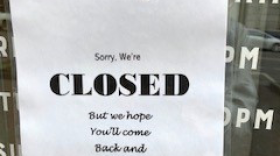 The pandemic has been disastrous for the economy as a whole, but the worst effects have been felt disproportionately by Black and Latino communities. As the pandemic drags on, we sit down with Charlotte’s Black and Latino business leaders and analysts to understand what is behind these racial disparities and what solutions might lead us towards a more equitable economy.

© 2026 WFAE
Mailing Address:
WFAE 90.7
P.O. Box 896890
Charlotte, NC 28289-6890
Tax ID: 56-1803808
Mailing Address:
WFAE 90.7
P.O. Box 896890
Charlotte, NC 28289-6890
Tax ID: 56-1803808
90.7 Charlotte 93.7 Southern Pines
90.3 Hickory 106.1 Laurinburg
Play Live Radio
Next Up:
0:00
0:00
Available On Air Stations


