-
 Ahead of the midterm elections, North Carolina’s early voting locations and hours have been set. We discuss the impact and how voters feel about confidence in election security. Later in the show, we'll examine a new study that shows how Charlotte’s growth is cutting into its farmland.
 -
 Charlotte Republicans push Mecklenburg Sheriff Garry McFadden to step down after testimony in Raleigh. Early in-person voting in the primary begins. Duke Energy made nearly $5 billion in profit last year. That, as they ask for rate increases. Plus, four players are suspended after a brawl during the Hornets-Pistons game, but Charlotte still enters the All-Star break red hot.
 -
-
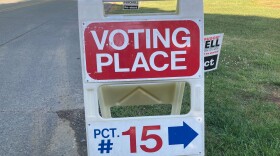 With no contested Democratic primary for president, turnout in early voting has lagged compared to 2020.
 -
 Statewide, early voting started Thursday. A block party was held by nonpartisan voting organizations and Johnson C. Smith University students.
 -
 Early voting in North Carolina starts Thursday, Oct. 20, and ends at 3 p.m. on Saturday, Nov. 3.
 -
 States like Georgia and Arizona are now considering bills to limit absentee by mail voting, but North Carolina — home to some of the most bitter fights over voting in the last decade — has been completely quiet in 2021. Political watchers in Raleigh wonder when that's going to change.
 -
 The director of the North Carolina State Board of Elections said she expects to report at least 97% of all ballots cast by the end of Election night on Tuesday. That’s due to the huge share of voters having already cast their ballot before Election Day.
 -
 More than 4 million North Carolina voters have already cast their ballot, as early voting draws to a close on Saturday, Oct. 31. But after a flurry of lawsuits around absentee ballots in the state, a small pool of voters is struggling to fix problems with their ballots before Election Day.
 -
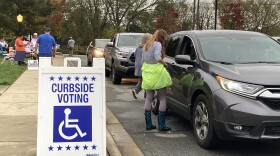 State election officials say about 144,000 people voted curbside between Oct. 15 and Oct. 28.

© 2026 WFAE
Mailing Address:
WFAE 90.7
P.O. Box 896890
Charlotte, NC 28289-6890
Tax ID: 56-1803808
Mailing Address:
WFAE 90.7
P.O. Box 896890
Charlotte, NC 28289-6890
Tax ID: 56-1803808
90.7 Charlotte 93.7 Southern Pines
90.3 Hickory 106.1 Laurinburg
Play Live Radio
Next Up:
0:00
0:00
Available On Air Stations


